Aging brings plenty of changes, but losing function and independence does not have to be one of them. From my experience, building and keeping strength in your 40s, 50s, and beyond does a lot more than just help you look fit. It lets you keep doing the daily things that matter most. I have seen how strength training can turn back the clock for people, giving them the freedom to play with grandkids, enjoy hobbies, and even just walk up the stairs pain-free. If you are wondering how to get started or how to keep progressing, here is what I have picked up over the years to help you stay strong, safe, and active through each decade.
Why Strength Training Matters More After 40, and Why It Only Gets More Important
After age 40, natural muscle loss speeds up a bit every year, and things like bone density and balance also start to switch up. I have watched so many people in this age group notice everyday activities like carrying groceries, gardening, or getting up from a low chair start to feel tougher. That is where strength training really shines. It is one of the best ways I know to keep muscle, boost bone health, and move with more confidence.
Studies show that adults can lose 3%–8% of muscle mass per decade after 30 unless they stay active. Without some type of resistance training, the risk for falls, joint pain, and even losing independence goes up a bunch. Keeping your muscles strong helps support every part of your body so you can move freely and enjoy life at any age. Plus, strength training pumps up metabolism, which helps with weight management and keeping energy high as you get older.
Muscle mass is not just about looking strong or “bulking up.” Having more muscle helps stabilize joints, protect your bones, and even help regulate your blood sugar levels. It can step up your balance, making slips and falls less likely.
Top Strength Exercises for Adults 40, 50, and 60+
You really do not need a fancy gym or loads of equipment to strengthen muscles that matter most as you age. I usually recommend focusing on exercises that use several muscle groups together, since they help the most with everyday movement. Here are some of my top picks, along with ways to adjust each one if you have joint concerns or are just starting out:
- Squats: Builds leg and glute strength. Chair squats work well if you need support.
- Pushups: Strengthen the arms and chest. Wall pushups are great if getting on the floor is tough.
- Deadlifts: Targets the back, core, and legs. Try with a light dumbbell or even a sturdy bag at home.
- Rows: Bands or dumbbells help build upper back muscle and improve posture.
- Stepups: Great for balance, hips, and legs. Use a bottom stair or sturdy box.
- Shoulder presses: Overhead presses assist with shoulder and arm strength. Seated presses are an easy adjustment.
- Farmers carry: Simply carry two weights (or grocery bags) and walk, building grip and core strength.
- Bridges: Strengthen the back and glutes, with less strain on joints.
- Standing calf raises: Supports ankle stability and walking.
- Biceps curls: Keeps arms functional for lifting and carrying.
Start with just your body weight, move at your own pace, and slowly add weight or resistance as you feel steady. The cool thing is how quickly you can notice results. Even small, regular sessions a couple times a week can make things feel easier. If you are just beginning, aim for one set of 8–12 reps for each move, and take time to recover between sets. Listen to your body, and do not rush progress; adding more sessions or intensity over a few months works best.
How to Create a Safe and Effective Home Gym at Any Age
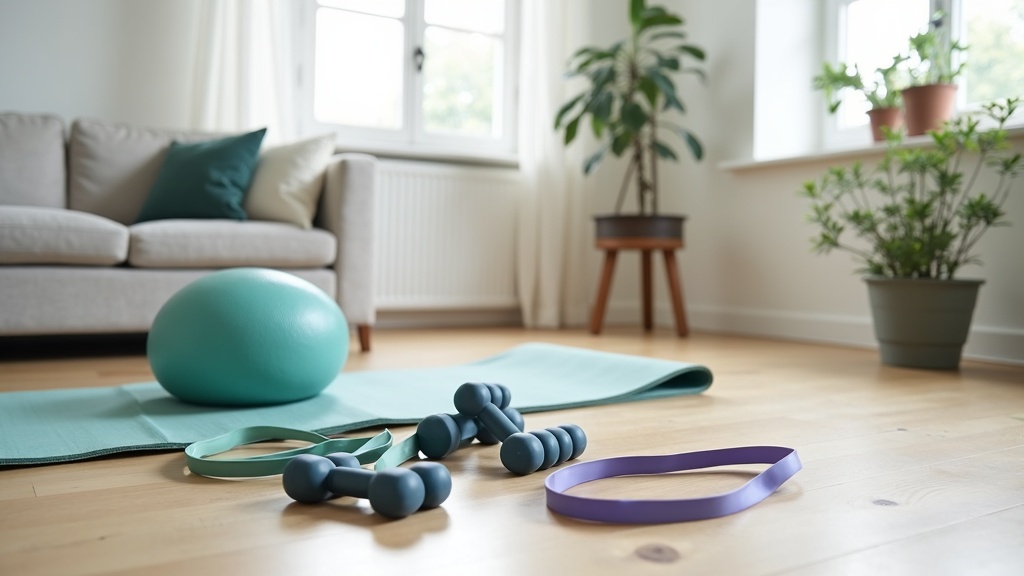
Lots of people I know like the convenience of working out at home, but safety is super important, especially if you are newer to exercise or balance is not quite what it used to be. Go for a clutterfree space with enough room to move around safely. Good lighting and a supportive floor (avoid slippery mats or rugs) help you feel more confident, too.
Here’s a list of simple, affordable equipment I recommend for a solid home gym:
- Resistance bands—easy on joints and great for strength work.
- Adjustable dumbbells or a couple sets of lighter and heavier weights.
- Sturdy chair—for seated work or balance support.
- Exercise mat—makes floor moves more comfy.
- Step or box—ideal for stepups and incline work.
Check that each piece is stable and not worn out, especially if you use secondhand items. Always keep enough space between equipment so you are not tripping or bumping into things. If you want more variety, you can also add ankle weights, foam rollers, or a medicine ball—none of which take up much space but add new ways to get strong.
Balancing Strength and Cardio: A All-in-one Approach for 40 and Beyond
Strength work is important, but mixing in cardio keeps the heart, lungs, and metabolism in shape too. From what I have learned, a weekly routine that blends both works best for staying healthy long term. Mixing workouts means less boredom and more rounded results. Cardio does not have to mean all-out running or cycling. Fast-paced walks, water aerobics, or dancing in the living room all count. The combination of strength and cardio is the key to overall wellness.
Try this basic framework, adjusting it to your own schedule and needs:
- 2 to 3 days a week of strength training (full body focus)
- 2 days a week of cardio (brisk walking, cycling, or swimming for 20–40 minutes)
- 1 flexibility or balance session, like yoga or tai chi
- At least one full day of rest or active recovery (leisure walk, gardening, stretching)
It helps to listen to your body and allow more recovery if you feel extra sore or tired. Taking a full rest day lets your body rebuild muscle tissue and keeps you from burning out. If you are bored with your routine, mix in something new like dancing or hiking—anything to keep moving and having fun.
Eating to Fuel Strength and a Longer Adventure

I have found that what you eat can either help or slow down your progress. Protein is important for muscle repair, so aim for a portion at every meal, like eggs, dairy, lean meats, tofu, or beans. Colorful veggies, healthy fats such as olive oil or avocado, and whole grains round out meals for steady energy. Meals that are balanced give a boost to workouts and recovery.
Staying hydrated supports your joints and recovery, too. For most people, 6–8 glasses of water a day is a good place to start, but more is usually needed if you are active or it is hot out. Talk to a dietitian if you have specific health concerns or want more tailored tips. The right snacks before and after workouts, such as a banana with nut butter or some yogurt, can help fuel your body for exercise and recovery afterward.
How to Avoid Injuries and Keep Training Safely
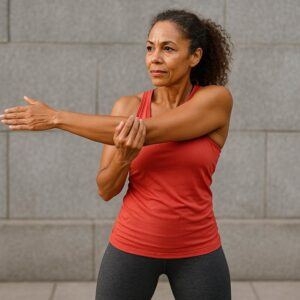
Injuries are no fun at any age, but I have seen them sideline older adults, especially when workouts ramp up too soon. Doing a 5–10 minute warmup—like gentle marching, arm circles, or easy side steps—can make a huge difference. Cooling down with stretches to loosen tight spots is a good habit, too. Always ease into new exercises rather than jumping in at full intensity. Consistency matters more than pushing too hard all at once.
Anything that gives sharp pain or swelling is a signal to pause and adjust. I always say, quality over quantity. It is better to do fewer reps with solid form than rush for the sake of numbers. If you are concerned about a lingering ache, ask your doctor or physical therapist before going further. Stretch regularly, and do not be afraid to rest to let your body heal.
Adjusting Routines as You Get Older: Listening to Your Body
Every decade brings some switches in strength, mobility, and recovery time, and that is completely normal. In your 40s and 50s, you might bounce back faster, but pushing through pain rarely helps in the long run. By your 60s or 70s, it is about keeping up consistency, using lighter weights for more reps, and adding more balance or mobility work if joints feel stiff. Any progress is good progress, and it is fine to take your time. Make adjustments as needed, and be proud of every gain—no matter how small.
Functional Fitness: Staying Strong for Everyday Life
Strength training is not just about lifting weights. It is about moving with ease through daily routines. I am a big fan of moves that mimic real-life tasks, like carrying objects, standing from a chair, or reaching overhead. Working on core stability, grip strength, and balance means you can keep doing the things that matter: carrying groceries, climbing stairs, or enjoying long walks—without worry. Doing a few minutes of practice getting in and out of chairs or picking up light objects from the floor can pay off in everyday confidence and ability.
Common Strength Training Myths to Skip
There is a lot of confusion out there about resistance training as you get older. I hear some folks worry about “bulking up” or think they are too old to start. Here is what I have seen and what experts agree on:
- Building large muscles naturally after 40 or 50 is pretty tough, even with hard work; what you get is just the right kind of strength and shape for better day-to-day living.
- It is never too late to start. People in their 70s and beyond have gained strength, muscle, and energy from simple routines.
- Machines are not always safer than free weights; good form and the right resistance make more difference than equipment choice.
Trust your body, check with your primary healthcare provider before making big changes, and consider getting advice from a certified trainer who understands working with older adults.
Stories of Real-Life Transformation
I have seen friends and clients start basic strength training at all ages; some after 50, others only in their 60s. One friend could not kneel on the floor to garden before training, but four months later she is back outside planting every spring. Another, in his late 50s, struggled with stairs but now takes long city walks without stopping. These stories pop up all the time, and the benefits are real and motivating. Strength training has given people the ability to pick up travel, backyard projects, or even hike with confidence in their golden years. With steady effort, real-life wins stack up, proving it is never too late for a positive change.
Frequently Asked Questions About Longevity Strength
Question: Is strength training safe if I have arthritis?
Absolutely; just pick low impact options, keep weights lighter, and move gently through a pain-free range of motion.
Question: How soon will I notice results?
Most people track down more energy and a little less stiffness within a couple weeks. More strength and stamina usually kick in after 6–8 weeks of regular workouts.
Question: What if I have no past fitness experience?
That is totally fine; bodyweight exercises and resistance bands are userfriendly. Start slow and work up as you feel stronger.
If you are ever unsure how to start or need a gentle push, connecting with a local fitness class or working with a trainer who specializes in working with mature adults can make the early steps much easier.
Wrapping up, building and maintaining strength after 40 is one of the best gifts you can give your future self. You do not need fancy equipment or a strict bodybuilding regimen—just regular, smart action. Jumpstart your healthy habit today, and enjoy an active, independent life for many years to come.