Wearable fitness tech keeps popping up at my gym, in running clubs all over, and after checking it out for myself, I can safely say these gadgets are more than just eye-catching accessories! Wearable devices are changing how people train, recover, and even stay motivated. Using wearables gives you personal data and practical feedback, helping workouts feel less like guesswork and more like a plan that leads somewhere solid.
Why Wearables Matter in Fitness
Fitness wearables have become a pretty normal sight at most gyms or running trails. Companies like Fitbit, Garmin, Samsung, and Apple have made it easy to track all sorts of workout stats, from heart rate to step count. These devices now give real-time guidance and show progress over time. According to Statista, the wearable technology market keeps growing and is projected to hit over $60 billion USD in the next few years, a sign that more folks are using data to get real results in their training routines.
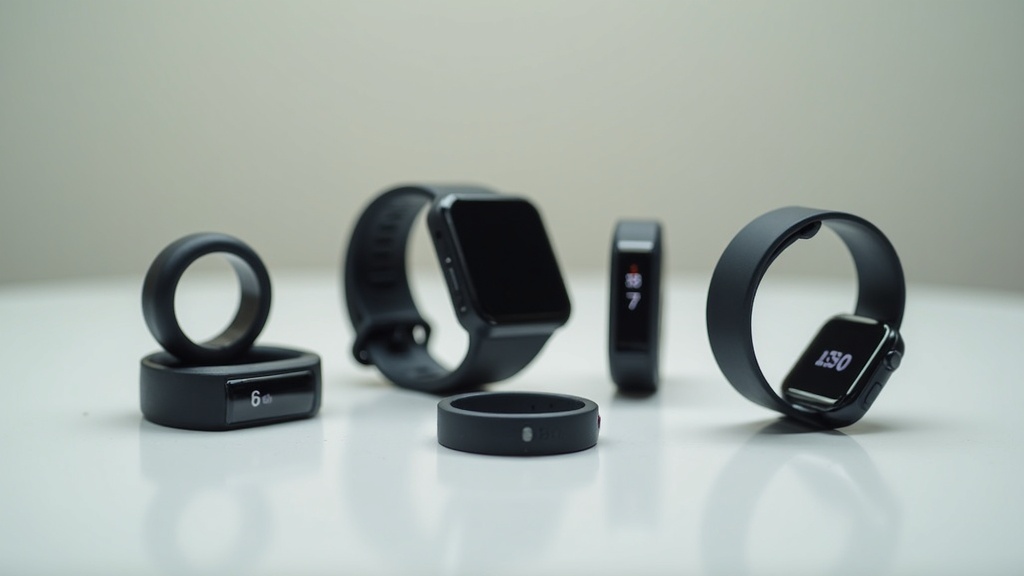
Wearables are not just wristbands. Now you’ll find smart rings, chest straps, and even clothes with sensors stitched in. The main idea is simple: give you info about how your body is performing so you can push harder, rest when you need it, and track results without relying on memory or paper logs.
How Wearables Boost Workout Performance
Modern fitness gadgets do a lot more than log your steps. They are loaded with features to help you make sense of your workouts and improve session by session. Here are a few technologies worth tracking down:
- Heart Rate Monitoring: Real-time tracking helps you stay in the right intensity zone for your goals, cutting down on wasted effort or overtraining.
- GPS Tracking: Runners, cyclists, and hikers can map routes, measure distance, and see speed, offering clear feedback on every outing.
- Sleep Analysis: Quality rest is a game-changer for muscle recovery. Wearables track your sleep to show patterns and offer ideas to give your rest a boost.
- VO2 Max Estimation: Some advanced devices estimate your aerobic capacity. This is huge if you’re working on endurance.
- Stress and Recovery Scores: These help you spot when to take it easy so you don’t end up burned out or injured.
Getting Started with Fitness Wearables
If this world is new to you, picking the right wearable can feel a bit overwhelming. A few things that help:
- Choose What to Track: If you’re just after step counts and calories burned, a basic tracker is enough. For sleep insights, heart rate, or GPS mapping, go with something more full-featured.
- Comfort and Battery Life: The best tracker is the one you’re happy to wear all day and night. Battery life varies—decide how often you’re willing to charge up.
- App Experience: Good apps make it simple to see your stats and set goals. Some sync with other health tools or even give advice right in the app.
Quick Tips for Maximizing Your Wearable Device
Grabbing a new fitness gadget is just the beginning. Here’s how I get the most out of mine, and you can too:
- Set Clear Goals: Decide what success means to you (more steps, longer runs, better sleep) and use the app to check progress and set reminders.
- Personalize Your Data: Enter accurate height, weight, and age for better calorie and heart zone feedback.
- Sync Often: Make it a habit to sync your device daily; missing data can mess with your stats.
- Check Weekly Trends: Trends over time show real progress and spotlight places to improve more reliably than a single day’s numbers.
- Link With Friends: Leaderboards and challenges with friends help keep things fun and foster accountability.
These habits will make your wearable more like a digital fitness coach rather than just another piece of tech.
Real-World Challenges You Might Face With Wearables
Even though the benefits are plenty, using wearables for workouts isn’t always totally smooth. Here’s what to expect, and how I’ve handled some common hiccups:
- Data Accuracy: Wrist-based heart rate sensors can lag behind during intense intervals. For more accurate tracking, chest straps or arm sensors work better during sweaty or high-intensity sessions.
- Distraction: If you’re glued to your screen, it’s easy to ignore how your body feels. Remember, taking a rest isn’t only about what your data says—listen to your body too.
- Battery Life: Charging is a must, especially if you want to track sleep. Some wearables last a week, others just a day or two. Create a charging routine that fits your schedule.
- Subscription Services: Some wearables require a subscription for access to all features. Double-check what’s free and what’s paid before you commit.
Accuracy in Tracking
The number of sensors a wearable has makes a difference. GPS is key for outdoor runners and cyclists. Over weeks and months, devices “learn” your habits and fine-tune readings, especially with software updates. Just remember, use calorie burns and step counts for general direction, not as gospel truth.
Staying Focused
Data overload is real. For me, setting alert limits keeps me from chasing every number and helps me stay present during workouts. Pick a few key stats and set reminders for just those.
Advanced Features to Try Once You’re Comfortable
Once you know the basics, your wearable can do even more. Here are some advanced tools I use when I want to take my workouts up a notch:
Custom Workout Modes: Design routines with specific intervals or moves, perfect for HIIT or mixing up different sports. This keeps workouts fresh and challenging.
Recovery Tools: Newer devices check markers like heart rate variability. A sudden dip in your usual numbers can signal a need to ease up—or maybe book a massage instead of another sprint session.
Smart Reminders: A gentle nudge if you’ve been sitting too long can make a big difference for desk workers—little nudges to get up and move.
Payments and Music: Paying for coffee or playing music without taking out your phone are small perks but they do add convenience, especially if you’re running errands after a workout.
My advice is to learn the basics well, then try out advanced features one at a time. Your wearable should fit your routine, not run you ragged chasing extra stats.
How Wearables Fit Into Different Workouts
Fitness trackers and smartwatches fit all sorts of training styles. Real stories show these devices stand up to just about any activity:
- Running and Cycling: Live pace tracking, route maps, and lap timing help fine-tune your pace. Using a GPS watch, my own race times improved simply because pacing became automatic rather than a guessing game.
- Weight Training: Some trackers spot reps and track rest times. Focusing on progressive overload? Built-in timers and counters make it easy.
- Swimming: Waterproof trackers count laps, strokes, and even give you a sense of how water resistance is affecting your workout. For swimmers, this is like having GPS feedback in the pool.
- Everyday Activity: If you focus more on walking, yoga, or just moving more during your day, step counters and move reminders do a lot for daily health.
Frequently Asked Questions
Here are some common questions I get about using wearables to set free your exercise routines:
Question: How do I know which wearable best matches my workout style?
Answer: List out your favorite activities first, then seek out devices built to support those. Checking user reviews and actually trying on devices helps you pick up on comfort and find features that fit your lifestyle. Compatibility with your phone or app habits matters, too.
Question: Are wearable heart rate monitors accurate enough?
Answer: For casual workouts, wrist monitors are decent, but chest straps deliver higher accuracy in intense sessions. Keeping your device clean, snug, and updated helps too.
Question: Can fitness trackers help you avoid injuries?
Answer: While they can’t promise you’ll remain injury-free, tracking trends in heart rate, sleep, and recovery makes it easier to spot overtraining risks and fatigue before they become bigger problems.
Wrapping Up
Wearable devices do more than log calories; they help you get a better feel for your needs, fine-tune your training, and keep you fired up. Given a little time and effort, wearables make honest progress possible, helping you stay on track toward stronger workouts and even better results. In the end, how you use the numbers matters most, so keep listening to your body and let your wearable be a sidekick on your adventure to health—not your boss
WHOOP 5.0 Activity Tracker – 12 Month Membership – Health and Fitness Tracker, Sleep Tracking, Personalized Coaching